

What Is an MC4 Solar Connector? Functions, Usage, and Key Precautions
Solar power is becoming more popular as the world focuses on renewable energy. Efficient installation and operation of solar panels depend on quality components, with connectors playing an essential role in system reliability. Among these, the MC4 solar connector stands out for its safety and performance. In this blog, we’ll explore what MC4 connectors are, their functions, usage methods, and key precautions to help you make the most of your solar setup.
What Is an MC4 Solar Connector?
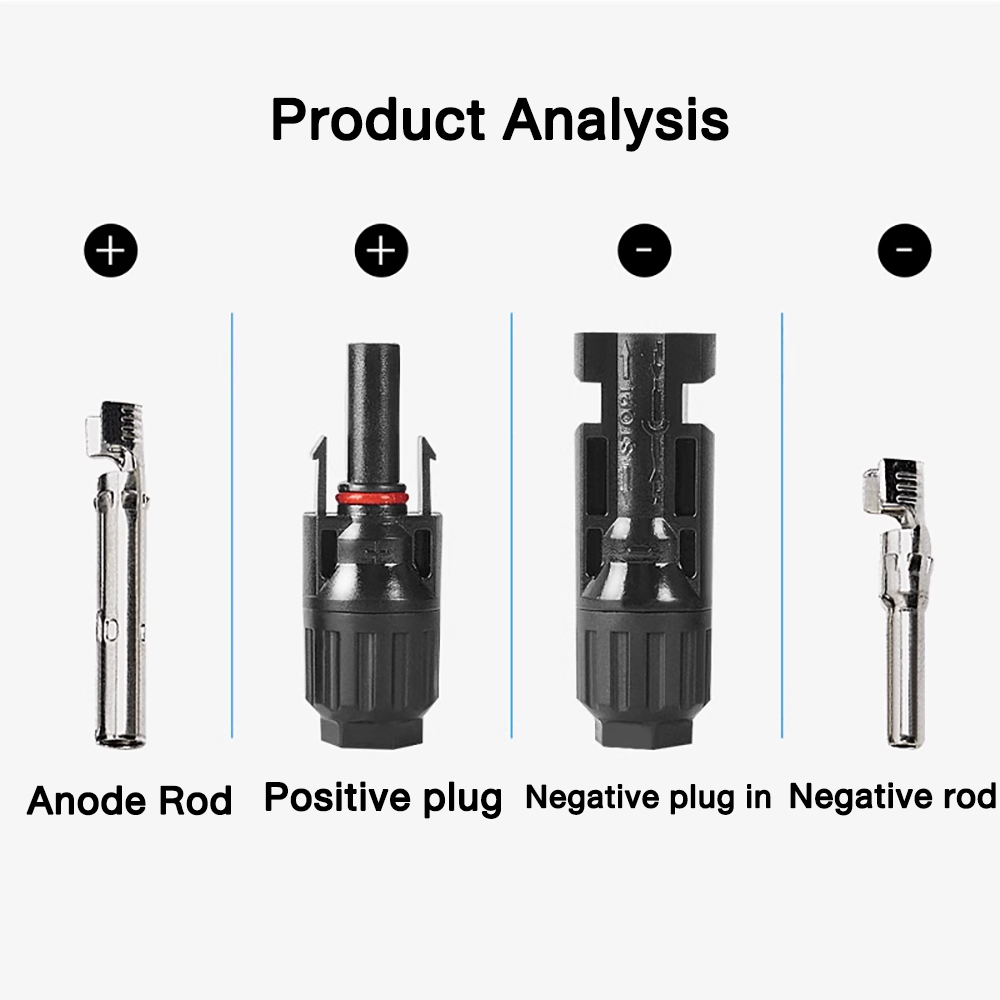
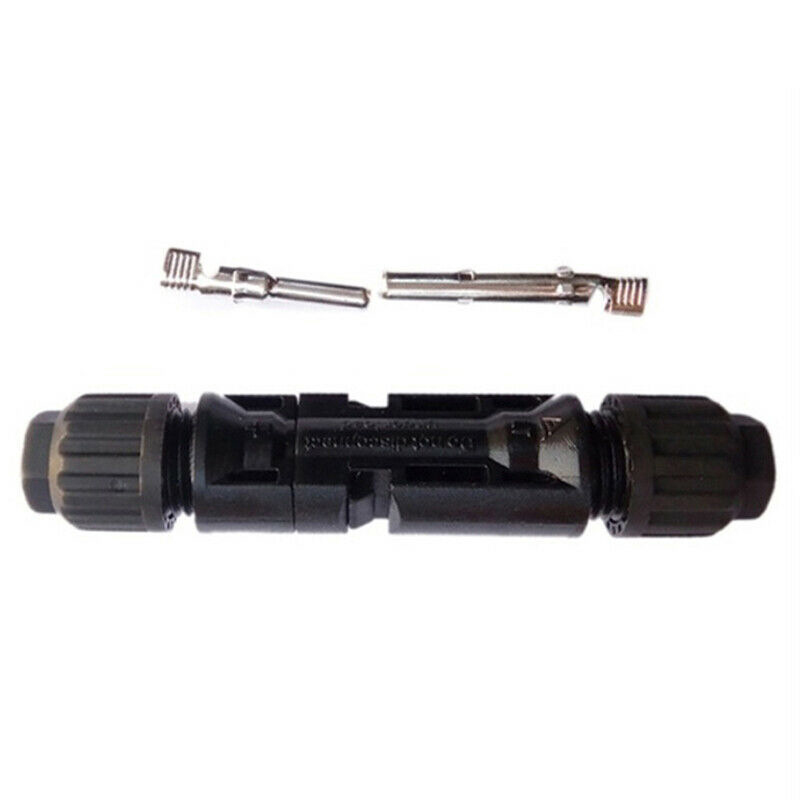
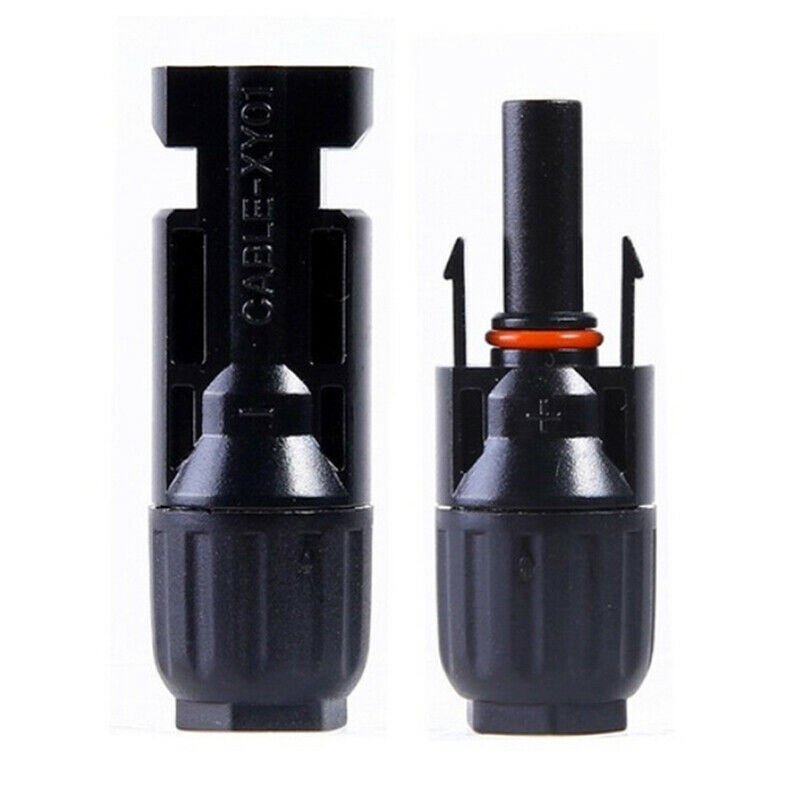
MC4 stands for "Multi-Contact 4 mm," which refers to the diameter of the connector pin. Developed to simplify and secure solar panel connections, MC4 connectors are now the industry standard. These connectors are typically found in pairs—male and female—and are designed to snap together for a tight fit. Their sturdy construction ensures reliable electrical connectivity and weather resistance, making them ideal for outdoor solar installations.
MC4 connectors’ design features locking mechanisms that prevent accidental disconnects, allowing installers and homeowners to quickly assemble or disassemble panels without specialized skills. Their compatibility with almost all modern solar panels further cements their popularity.
Functions of MC4 Solar Connectors
MC4 connectors play a critical role in the performance and safety of solar power systems. Here are their key functions:
-Secure Electrical Connections: MC4 connectors ensure a stable and secure link between solar panels, minimizing the risk of loose connections that could cause power interruptions or hazards.
-Safety and Stability: By providing a waterproof and dustproof connection, MC4 connectors protect the electrical system from environmental factors, reducing the risk of short circuits or component failure.
-Efficient Current Flow: These connectors are designed to handle high currents with minimal resistance, promoting efficient energy transfer and reducing power loss.
-Plug-and-Play Convenience: Their simple yet robust design allows for quick installation and easy expansion of solar arrays, supporting both professional installers and DIY enthusiasts.
Common Usage Scenarios
MC4 solar connectors are widely used in various solar applications, including:
-Residential Solar Panel Systems: Homeowners rely on MC4 connectors to link panels safely within rooftop arrays.
- Commercial Installations:Large-scale solar farms and business premises use MC4 connectors for reliable and scalable panel connections.
- Off-Grid & Portable Solutions:Mobile solar kits and remote power systems benefit from MC4’s ease of use and durability.
- Compatibility:MC4 connectors work with most brands and inverter models, providing flexibility when designing or expanding a photovoltaic system.
How to Use MC4 Connectors: A Step-by-Step Guide
Installing MC4 connectors is straightforward when following these steps:
- Gather Tools: You’ll need wire cutters, crimpers, and a MC4 assembly tool.
- Prepare the Cable: Strip the insulation from the cable end, exposing the correct length of conductor as per MC4 specifications.
- Attach Connector: Slide the metal contact over the exposed wire and crimp securely.
- Insert Contact: Place the crimped contact inside the MC4 connector housing.
- Assemble Connector: Snap the housing shut, ensuring all components lock in place.
- Connect Panels: Join the male and female connectors until you hear a click, confirming a secure connection.
- Testing: Use a multimeter to check continuity and ensure a stable connection before energizing your system.
Key Precautions When Using MC4 Connectors
Proper use of MC4 connectors is vital for system safety and performance. Here are essential precautions to observe:
- Ensure Correct Polarity: Match positive and negative cables to their respective connector types to avoid wiring errors.
- Weatherproofing: Always use genuine MC4 connectors, which are designed for outdoor conditions, to prevent water ingress and corrosion.
- Avoid Mechanical Stress: Don’t over-tighten or bend cables, as this may damage connectors and impact performance.
- Routine Inspection: Regularly check connections for signs of wear, corrosion, or loosening. Replace damaged connectors promptly.
- Use Authentic Components: Counterfeit connectors may compromise safety and longevity, so always source your MC4 connectors from reputable manufacturers.
Common Problems and Troubleshooting
Even reliable components like MC4 connectors can face issues, especially in harsh environments or over time:
- Loose Connections: If a connector isn’t fully clicked into place, disassemble and reattach for a secure lock.
- Corrosion or Water Ingress: Inspect for signs of moisture or rust. Clean contacts and replace faulty connectors as needed.
- Physical Damage: Cracked housings or bent pins should be replaced immediately to maintain electrical safety.
Conclusion
MC4 connectors are indispensable for safe, efficient, and expandable solar power systems. Their robust design and ease of use make them ideal for both professional and DIY installations. By understanding the functions, correct usage, and precautions, you’ll ensure your solar panel setup delivers optimal performance and longevity. Invest in quality MC4 connectors, follow best practices, and enjoy hassle-free renewable energy for years to come.