What is the function of a solar controller?
With the continuous development of new energy sources, solar energy systems are gradually becoming important equipment for energy conversion in homes and industrial and commercial settings. In a solar energy system, the solar controller, as a core component, plays a crucial role in optimization and protection. So, what exactly is the function of a solar controller? How to correctly connect and use a solar controller? This article will provide a detailed analysis and share practical installation and maintenance tips.
Basic Functions of a Solar Controller
A solar controller can be understood as an intelligent manager between solar panels and energy storage batteries. It not only acts as a "switch," but more importantly, it protects and optimizes the operation of the entire system. First, the solar controller can automatically monitor the voltage status of the charging battery, preventing damage due to overcharging or over-discharging. Second, it can regulate the transfer of power generated by the solar panel to the battery, maintaining stable current and voltage and avoiding the risks caused by excessive instantaneous current. Furthermore, the solar controller can display the system's operating status in real time, providing users with fault warnings and maintenance prompts. By using the controller properly, the overall lifespan of the battery and the system can be effectively extended.
Main Types of Solar Controllers
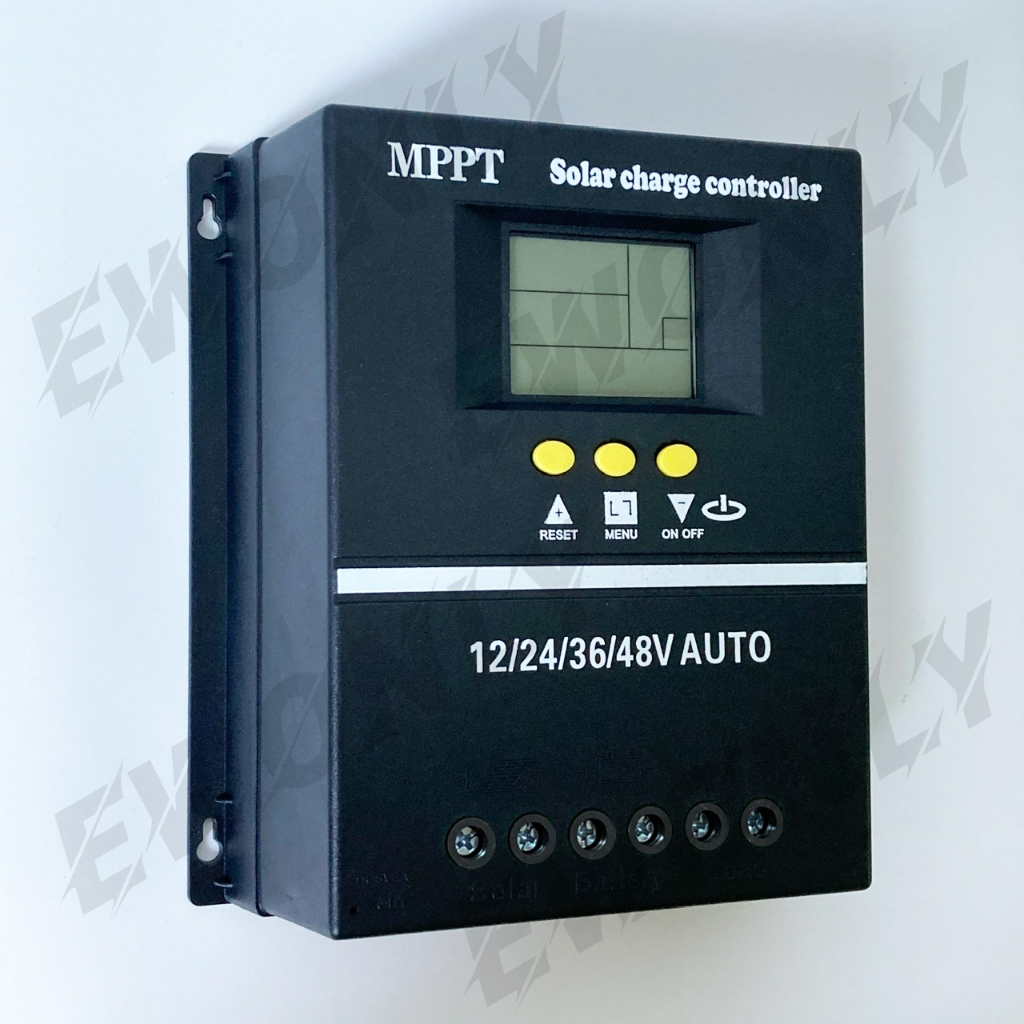
Currently, solar controllers on the market are mainly divided into two categories: PWM (Pulse Width Modulation) and MPPT (Maximum Power Point Tracking). PWM controllers are simple in structure and low in cost, making them suitable for small solar systems, but their energy conversion efficiency is generally average. MPPT controllers, on the other hand, are more intelligent and can adjust in real time according to the output conditions of the solar panels, maximizing energy utilization efficiency. They are especially suitable for medium to large-scale solar systems and variable environments. The choice of controller type should be based on actual needs and budget.
Standard Connection Method for Solar Controllers
Correctly connecting the solar controller is the first step to ensuring the safe operation of the system. Solar controllers typically have three ports: one for connecting the solar panel, one for the energy storage battery, and one for the load (such as lights, fans, etc.). The recommended connection order is: connect the battery first, then the solar panel, and finally the load. This prevents damage to the equipment due to incorrect wiring. It is important to note that all wiring connections must be secure and reliable to avoid short circuits or loose connections. During the connection process, strictly follow the parameters in the controller's instruction manual; for example, voltage and current must not be exceeded.
Precautions for Installing Solar Controllers
A suitable solar controller not only improves system efficiency but also ensures user safety. First, select a controller that matches the specifications of the solar panel and battery to avoid malfunctions caused by incompatibility. Secondly, during installation, ensure the controller is placed in a well-ventilated and waterproof/dustproof location to minimize environmental impact on the equipment. It is also recommended to regularly check for loose wiring and for dust and moisture buildup on the controller surface. For systems used long-term, timely maintenance and replacement of the controller are necessary to ensure stable operation.
Frequently Asked Questions and Troubleshooting
In actual use, solar controllers may encounter various problems. For example, abnormal controller display or inability to charge is often due to incorrect wiring or a damaged battery. In such cases, first check if all wiring is connected according to specifications, then check the battery voltage and solar panel output. If system self-protection or automatic power-off faults occur, follow the controller's instruction manual or contact the manufacturer's customer service for assistance. For first-time users, it is recommended to familiarize themselves with common solar controller issues and prepare for maintenance in advance.
As the "guardian" of a solar system, the solar controller is indispensable for both small residential projects and large commercial projects. It not only manages and regulates energy but also directly affects system safety and lifespan. Proper selection and correct connection of the solar controller can maximize the performance and efficiency of the solar system. Hopefully, this article will provide assistance in the use, installation, and maintenance of solar controllers, making new energy applications more efficient and reliable.